

 英语
英语 中文简体
中文简体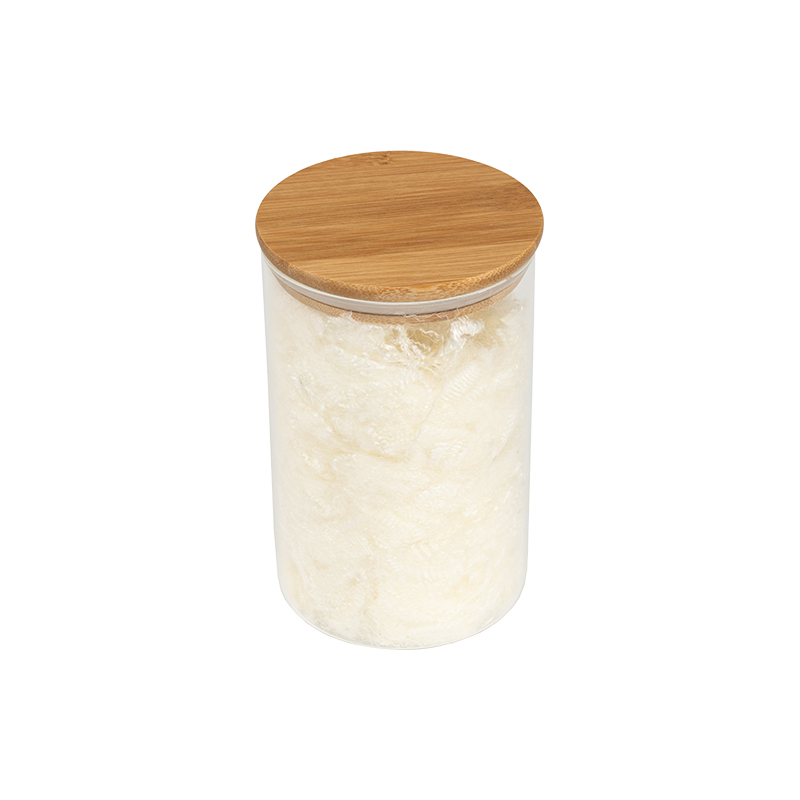
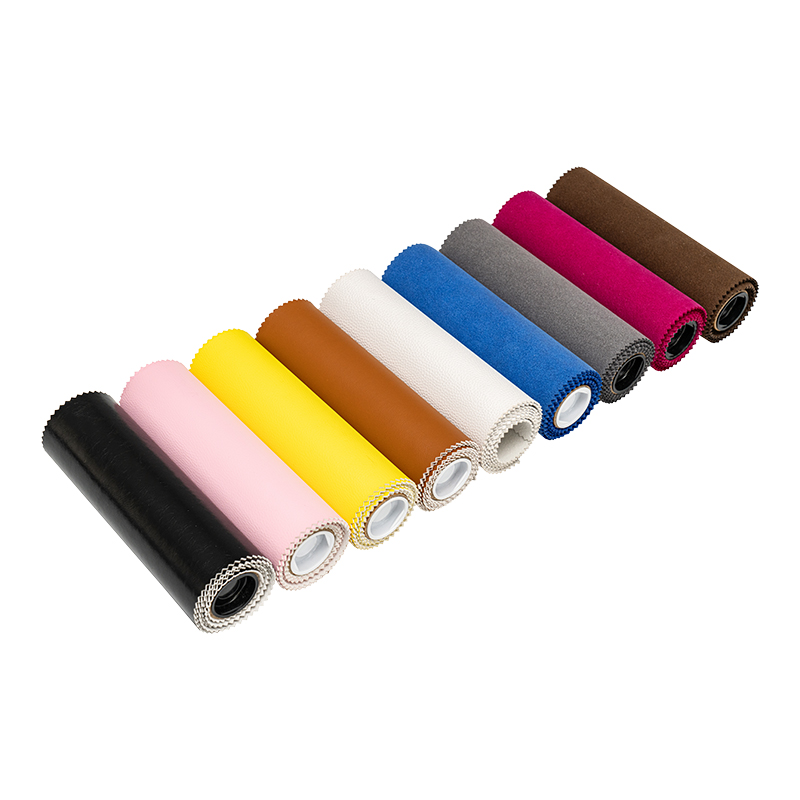
Composite Fiber Technical Specs
| Property | Specification |
|---|---|
| Fiber Type | Bi-component Sea-Island Filament/Staple |
| Island Material | Recycled PET or High-Grade PA6 |
| Sea Material | Eco-Friendly Polyvinyl Alcohol (PVA) |
| Cross-Section | 37 / 64 / 105 Islands (Honeycomb Pattern) |
| Solvent Residue | Zero (Water Processed) |
| Tenacity | > 4.0 cN/dtex |
| Elongation | 35% ± 5% |
Strategic Industrial Applications
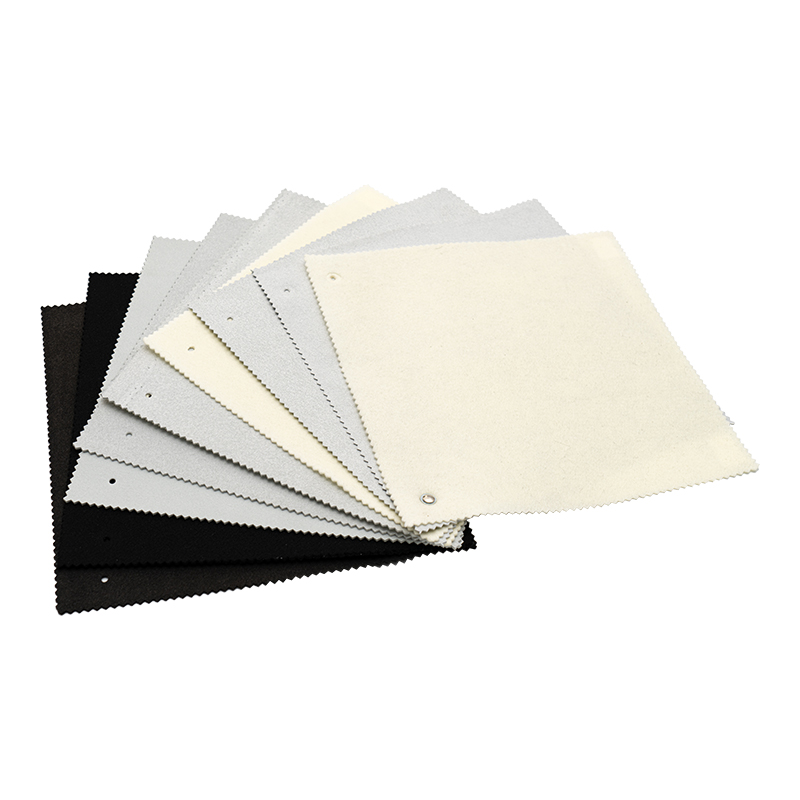
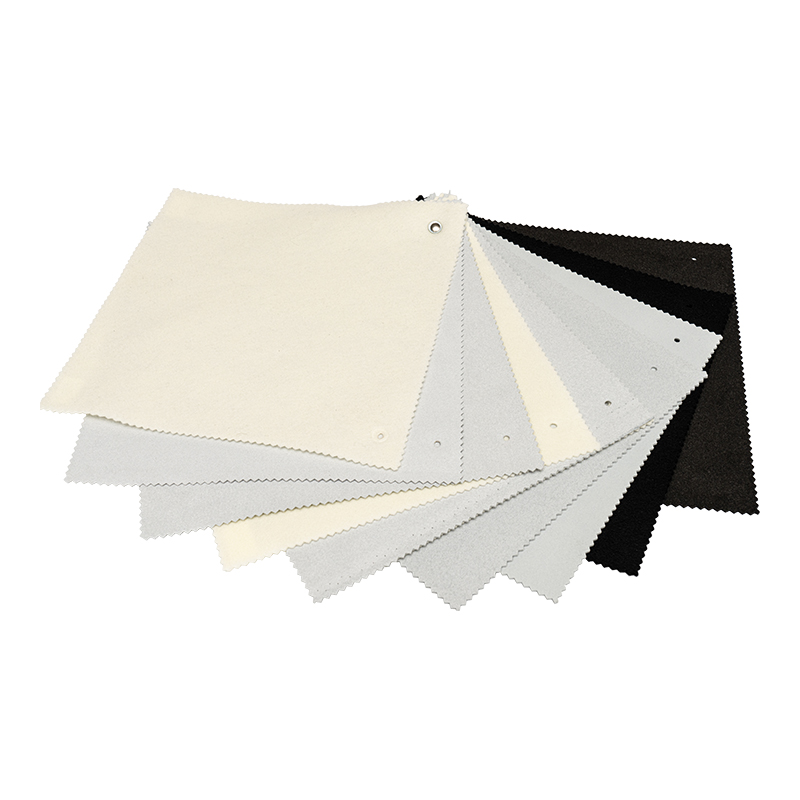
Sustainable Sea-Island Composite Fibers are used wherever extreme fineness and environmental responsibility are required. In the Consumer Electronics industry, these fibers are woven into ultra-soft protective sleeves and cleaning cloths for premium devices. The ultra-fine filaments provide a surface area that can trap oils and dust without the need for chemical cleaners. In the Aeronautics and Automotive industries, the fiber is used to create lightweight, flame-retardant interior fabrics that contribute to overall vehicle weight reduction, thereby increasing fuel efficiency and reducing carbon emissions.
Furthermore, this composite fiber is a key material for High-End Suede Apparel. It provides the luxurious "writing effect" (the ability of the fabric to change shade when brushed) that is highly prized in fashion. Designers use this sustainable variant to create eco-friendly jackets, skirts, and accessories that appeal to the "Green Glamour" market. Its ability to be blended with other sustainable fibers like Tencel or recycled cotton makes it a versatile tool for the next generation of textile designers who are focused on a circular economy.
Sustainable Engineering Advantages
- Low Environmental Impact: The transition from solvent to water-based reduction significantly lowers the E-factor (Environmental Factor) of your production.
- High Structural Integrity: The sea component is specifically engineered to protect the islands from mechanical stress during high-speed weaving and knitting.
- Enhanced Surface Area: Upon dissolution of the sea, the surface area of the fabric increases exponentially, improving filtration efficiency and moisture absorption.
- Chemical Safety: Free from toluene, DMF, and other hazardous chemicals, ensuring the safest possible end-product.
- Resource Recovery: Part of a closed-loop system where the water and dissolved components can be treated and reused.
Export & Payment Terms
We offer Sustainable Sea-Island Composite Fiber in both staple fiber and continuous filament forms. Our logistics team handles global shipping from Ningbo, providing all necessary export documentation including Certificates of Sustainability. We accept T/T, L/C, and D/P payment terms. To maintain the fiber's high performance, we use vacuum-sealed, multi-layer industrial packaging. We also provide technical consulting for factories looking to switch from traditional composite fibers to our sustainable water-soluble version, ensuring a smooth transition with minimal equipment adjustment.
- Q: What is the "Sea-Island" ratio of this composite?
- A: Typically, our sustainable grade is 25% sea and 75% island, but this can be customized based on your required final fiber fineness.
- Q: Does the "sea" material dissolve instantly?
- A: It requires 95°C water and a specific agitation time (usually 10-15 minutes) to ensure 100% removal and no residue on the island fibers.
- Q: Can I use this fiber for 3D knitting?
- A: Yes, the composite structure is strong enough to withstand the tensions of modern 3D knitting machines before the final reduction process.